












PROPERTY SEARCH

PROPERTY SEARCH
Plastic bags, mini shampoos and wrapped fruit all set to vanish from Spanish shops
The new EU packaging law lands in Spain this week, reshaping how shops sell everything from fruit to toiletries
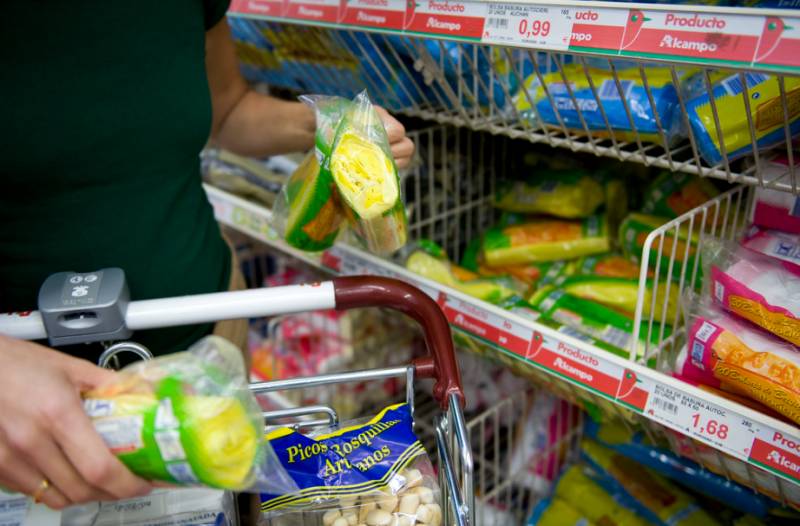
A sweeping new EU packaging law comes into force across Spain this Wednesday August 12 and it's set to change everything from the labels on your shampoo bottle to how supermarkets sell their fruit and veg.
The regulation is being rolled out gradually over the next few years, but manufacturers are already calling it the biggest overhaul of packaging rules in three decades. Shoppers won't notice much straight away, but the changes will build steadily until 2030, when some of the most dramatic restrictions finally land.
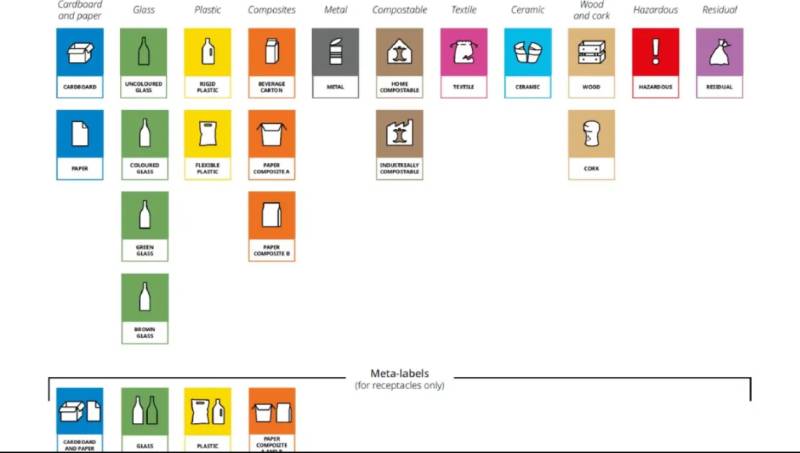
The first thing people are likely to spot is a new labelling system. Packaging will soon carry colour-coded labels showing exactly what material it's made from, with as many as 24 different labels possible depending on the product. Glass, for instance, will be split into separate categories for clear, coloured, green and brown.
Recycling bins will get a matching makeover next year, with the same labels appearing on containers to show what goes where. Industry insiders have admitted the system could get messy, since bins won't have enough categories to match every label, meaning some items will carry combined or seemingly contradictory markings. The general advice will be to bin packaging according to whichever material makes up most of it.
Behind the scenes, the law also demands that all packaging sold from this Wednesday onwards must be recyclable, and manufacturers won't be allowed to use more than 50% of a group of chemicals known as PFAS, sometimes called "forever chemicals" because they don't break down naturally.
Producers will also be made responsible for the entire life of their packaging, from the materials used to make it right through to how it's recycled or reused, under what's known as the "polluter pays" principle.
For everyday shoppers, the real changes will start creeping in from 2027. Cafes, restaurants and hotels, grouped under the term HORECA, will have to let customers bring their own containers for takeaway food. By 2028, those same businesses must also offer reusable containers as an alternative, and tea bags will need to be fully compostable, with coffee capsules possibly following suit.
The most significant year, however, is 2030. Supermarkets won't be allowed to sell fruit or veg under 1.5kg wrapped in plastic, and the thin plastic bags many shoppers still use for loose items, along with plastic rings used to hold together beer or soft drink cans, will disappear too, unless they're certified compostable.
Restaurants and cafes will lose their little sachets of sauce, sugar and salt for eating in, and hotels won't be able to hand out miniature shampoos and shower gels unless a guest specifically asks for them. Even online shopping will feel different, as retailers will be banned from using boxes that are more than half empty, putting an end to oversized packaging for small items.
There's also a 2029 deadline for Spain and the rest of the EU to recover 90% of single-use plastic packaging through a deposit return scheme, similar to the one Spain had hoped to launch this November. With that plan already running into difficulties, the government's Ministry for Ecological Transition is working on new rules to iron out what it has called inconsistencies in the system, meaning the scheme could yet be delayed until the 2029 deadline itself.
Images: Ecoembes


See more environmental news about Spain:
OR
Sign up for the Spanish News Today Editors Roundup Weekly Bulletin to get a comprehensive email with all the week’s news for Spain, Murcia, Alicante and Andalucía.
Get a sneak peek – here are a few of our recent Subscription Bulletins:
Discount Special Offer subscription:
36.95€ for 48 Editor’s Weekly News Roundup bulletins!
Please CLICK THE BUTTON to subscribe.